Full-Home Renovation Guide
Full Home Renovation in Atlanta: What to Expect
A full home renovation is the right answer when the house is in the right place — the lot, the schools, the neighborhood — but the floor plan, the systems, and the finishes no longer work for how you live. It is also the biggest project most homeowners will ever take on, so the questions come fast: How much does it cost in Atlanta? How long will it really take? Can we live there during it? What needs a permit? This guide answers each one with current Atlanta data, and walks through what actually happens, step by step, from the first visit to the final walkthrough.
What counts as a full home renovation?
"Full home" covers a wide range, and naming your tier honestly is the single most useful thing you can do before talking numbers. Atlanta whole-house guides describe three broad tiers:
- Whole-house refresh — layout unchanged. New flooring throughout, an updated kitchen, a refreshed primary bath, and new paint, lighting, and trim carried through the whole home. The house looks completely different; the bones do not move.
- Mid-scope renovation. The kitchen and baths are gutted and rebuilt, some walls come down, and plumbing and electrical are reworked where the new layout demands it. Mechanical systems are updated where they have reached end of life. This is the most common whole-house scope in Greater Atlanta.
- Full gut renovation. The home comes down to the studs. Structure is modified, systems are replaced, and the floor plan is fundamentally reimagined — effectively a new home inside an existing shell, with a budget to match.
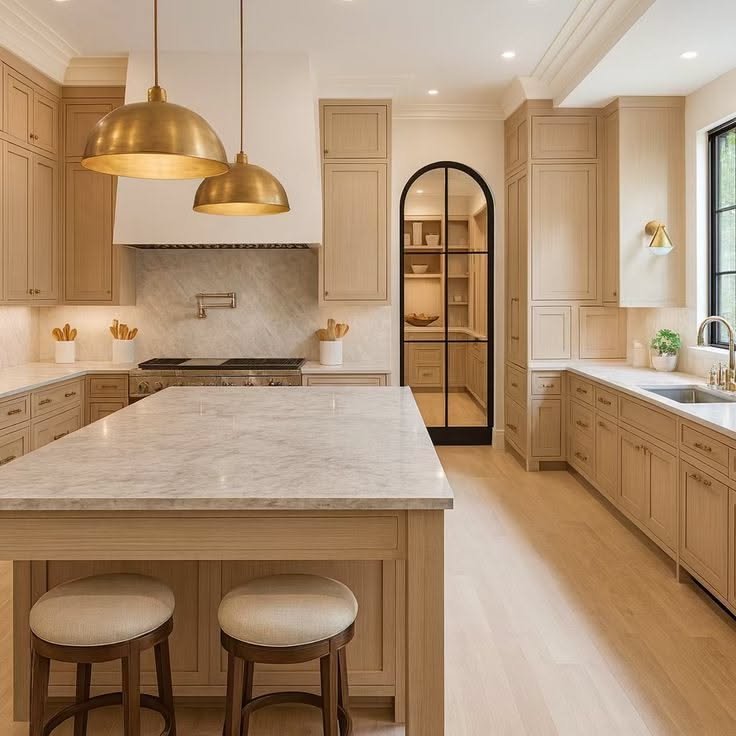
How much does a full home renovation cost in Atlanta?
Whole-house work in Atlanta is priced most honestly per square foot, because scope — not size alone — drives the spread:
| Project scope | Atlanta cost per sq ft | Example: 2,500 sq ft home | Example: 3,500 sq ft home |
|---|---|---|---|
| Whole-house refresh (layout unchanged) | $100–$150 | $250,000–$375,000 | $350,000–$525,000 |
| Mid-scope renovation (kitchen & baths gutted, some walls moved) | $150–$250 | $375,000–$625,000 | $525,000–$875,000 |
| Full gut renovation (structural + systems replacement, high-end finishes) | $250–$400+ | $625,000–$1,000,000+ | $875,000–$1,400,000+ |
An independent cross-check points to the same middle band: Block Renovation, analyzing 324 real Atlanta bids, puts a whole-home renovation at $167–$218 per square foot in Atlanta, against a national average of $198–$307 per square foot. Two finished Atlanta projects in that data show what totals look like in practice — a Buckhead whole-home remodel covering a new kitchen, living room, primary bedroom, basement bathroom, two guest rooms, a powder room, and a home office at $540,000, and an Atlanta main-floor overhaul with walls removed for an open plan at $250,000 with a 20-week build.
Why do some online calculators show far lower numbers? Angi reports an average of $40,051 (range $16,409–$70,546) for a "complete house renovation" in Atlanta — but that average reflects the mix of projects homeowners report to Angi, many of them partial in scope, at $15–$60 per square foot for standard materials and labor (up to $150 per square foot for high-end custom finishes). If your project touches every room and system, budget from the whole-house per-square-foot ranges above, not from a partial-project average.
What drives the price
- How much structure and systems you keep. Atlanta whole-house guides identify this — not the kitchen — as the largest budget variable. Moving or removing load-bearing walls, altering rooflines, or adding square footage requires engineering and additional inspections, and is the fastest way to move from one cost tier into the next.
- The kitchen and primary suite. Kitchen and bath square footage carries a disproportionate share of any whole-house budget; in most projects the kitchen alone is the single heaviest line item, and the primary suite is usually second.
- Systems condition in older homes. Homes built before the 1990s frequently need electrical service upgrades, repiping, HVAC redesign, and insulation work — invisible in the finished home, unavoidable in the budget.
- Labor vs. materials split. In Block Renovation's Atlanta bid data, labor usually makes up 50–60% of total expenses and materials 35–45% of the project total.
- Finish level. Custom cabinetry, natural stone, and designer fixtures throughout a full home can shift a budget by hundreds of thousands of dollars without changing a single dimension — material selections are the largest lever a homeowner controls.
- Site, trees, and jurisdiction. Access, grading, drainage, and Atlanta tree-protection requirements all carry real cost, and review timelines differ between the City of Atlanta, Fulton, DeKalb, Cobb, and the suburban cities.
- Scope discipline. Changes made after construction begins cost multiples of what the same decision would have cost during design.
Build a 10–15% contingency into the budget from day one. Renovations uncover conditions new construction never faces — old wiring, water damage behind tile, undersized framing — and a contingency is planning, not pessimism.
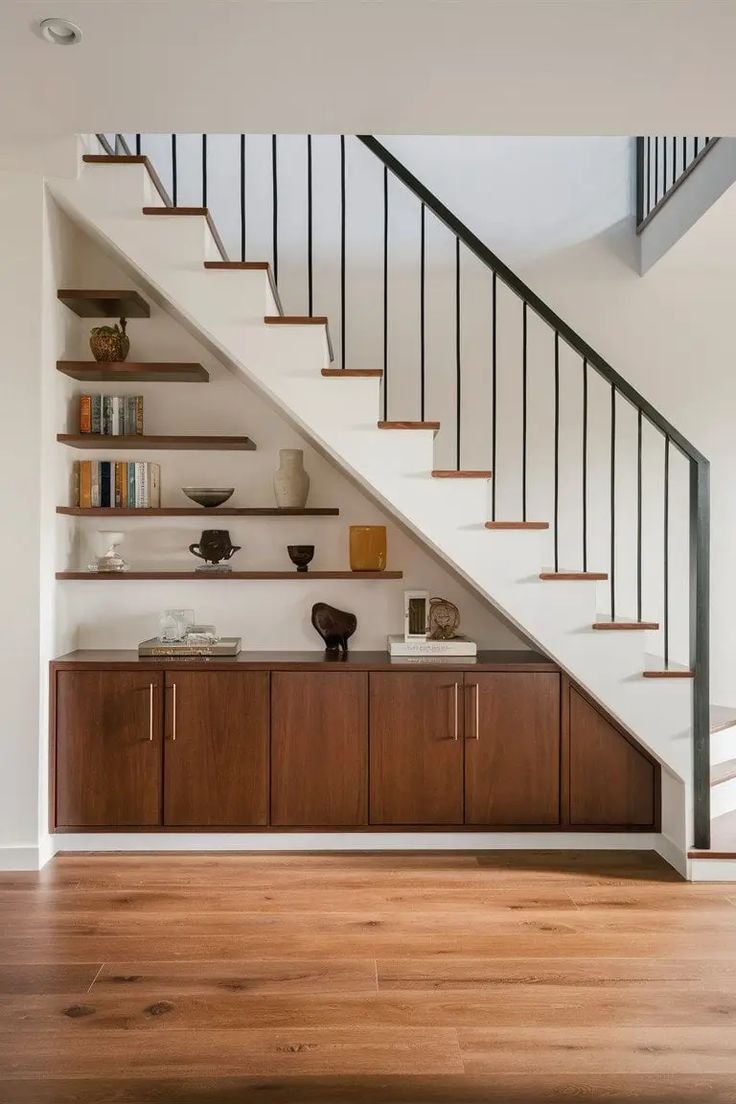
How long does a full home renovation take in Atlanta?
Homeowners consistently underestimate the front end. Construction is the visible part; it is not the longest part. Plan on 9–18 months from the first design conversation to move-in for a true whole-house renovation:
| Phase | Typical duration | What happens |
|---|---|---|
| Discovery & preconstruction | 4–10 weeks | Goals, site assessment, existing-conditions review, preliminary budget — scope gets defined honestly |
| Design & documentation | 8–20 weeks | Design, engineering where needed, interior selections — the more decided here, the less changes later |
| Permitting | 4–12 weeks | City of Atlanta residential plan review commonly runs 10–20 business days for a complete submission; structural, trade, arborist, zoning, or historic review extends it. Permitting frequently accounts for 15–25% of the total project calendar across the metro |
| Construction | 12–40+ weeks | Refresh-level work can wrap in roughly 10–12 weeks; mid-scope typically runs 16–24 weeks; full gut renovations with structural modification routinely run 30 weeks or more |
| Closeout | 2–4 weeks | Final inspections, punch list, and handover |
What to expect, step by step
At YK Development Group, a full-home project follows one process, with one team from design through installation:
- 1. Visit and measurements. We come to your home, see the space as it is, and take measurements. Existing conditions — structure, systems, what is behind the walls as far as it can be assessed — shape everything that follows.
- 2. Design, render, and plan. We present the design and render, the plan, and examples of previous projects, so you can judge the layout, materials, and quality before any commitment to build.
- 3. Your approval — of plan, quality, details, and price. Production does not begin until you have approved the plan, the render, the quality level, all the details, and the price. This is the moment to make changes; the same change costs multiples more after construction starts.
- 4. Permits and ordering. Permits are filed for the structural and systems work (see below), and cabinetry and long-lead materials are ordered — cabinetry is manufactured in the US or overseas depending on the project — so the schedule is protected before demolition begins.
- 5. Demolition and build. Demolition, rough plumbing / electrical / HVAC, inspections, then installation: cabinetry, flooring, tile and masonry, countertops, fixtures, trim, and paint, sequenced room by room.
- 6. Final walkthrough. We complete the work, walk the home with you, close the punch list, and leave you with a finished home — and a satisfied client is where the project ends.
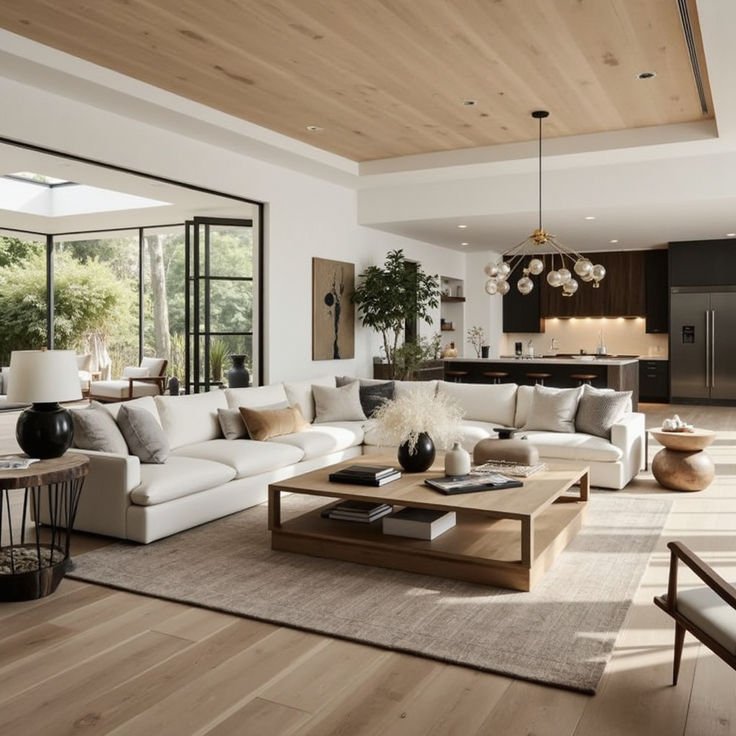
Do you need a permit for a full home renovation in Atlanta?
Almost certainly, yes. A permit is required when work changes structure, layout, or building systems — removing, adding, or moving walls, relocating plumbing, gas, or major electrical, and HVAC work all require one. Cosmetic work generally does not: paint, flooring, and replacing fixtures or cabinets in the same location are typically exempt, and the City of Atlanta exempts otherwise lawful in-kind repair work valued under $2,500. Exempt work still has to meet code.
Three Atlanta specifics catch homeowners out. First, the Tree Protection Ordinance (updated for 2026): projects that may affect trees must complete an arborist meeting with the Office of Buildings before a permit application is submitted — on lots with mature canopy, which describes much of intown Atlanta and Buckhead, that is an early scheduling step, not a formality. Second, homes in designated historic districts such as Inman Park, Grant Park, and Druid Hills may need a Certificate of Appropriateness from the Urban Design Commission for exterior changes, and that review comes before the building permit. Third, budget for the fees: Angi puts most home renovation permits at $500–$2,500 depending on scope and municipality, while Block Renovation ballparks Atlanta permit fees at $1,000–$3,000 based on scale and location — and simple interior remodels may secure permits in as little as 2–3 weeks, while additions or historic-area exteriors can take several months of layered review. Georgia also requires a state residential contractor license for most residential work over $2,500, so verify your contractor's license before you sign.
Can you live in the home during a full renovation?
For a refresh-level scope, often yes, with dust barriers, floor protection, and patience. For a mid-scope or gut renovation — where the kitchen and baths are out of service and systems are being replaced — most families move out for at least the heaviest phase. Angi flags alternate living expenses as a real cost factor to budget for on major renovations that disable the kitchen or bathrooms. Decide this before construction starts, and price the short-term rental into the total project budget, not as an afterthought.
Older Atlanta homes: what the walls can hide
Much of Atlanta's most desirable housing stock was built between the 1920s and the 1980s — built well for its era, but not to current expectations for energy performance, moisture management, or electrical capacity. Block Renovation's Atlanta guide adds the local specifics: foundation and floor-leveling work driven by Atlanta's clay soil, moisture and drainage issues near the Chattahoochee and east of Midtown, and asbestos or lead paint in many homes built before 1980, which require licensed abatement. A renovation is the one moment the walls are open and these systems are affordable to fix — renovating only what shows, like new cabinetry over failing electrical, functions as deferred cost, not savings.

What value does a full renovation add?
There is no single honest ROI number for a whole-house project, because it bundles many projects together. The useful anchors are Remodeling Magazine's 2025 Cost vs. Value Report figures for Atlanta, which model the components inside most full renovations:
| Component project (Atlanta, 2025) | Job cost | Value recouped at resale |
|---|---|---|
| Minor kitchen remodel, midrange | $28,359 | 111.8% |
| Bathroom remodel, midrange | $25,304 | 77.4% |
| Vinyl window replacement | — | 70.8% |
| Major kitchen remodel, midrange | $79,591 | 52.5% |
| Bathroom remodel, upscale | — | 45.3% |
| Major kitchen remodel, upscale | $157,713 | 36.1% |
The pattern is consistent: right-sized, midrange scope recoups the highest share, while upscale scope is bought for how you live, not for resale math. Match the scope to the home and the neighborhood — and renovate first for the years you will spend in the home.
Frequently asked questions
How much does a full home renovation cost in Atlanta?
By scope: $100–$150 per square foot for a refresh with the layout
unchanged, $150–$250 for a mid-scope renovation with the kitchen and
baths gutted, and $250–$400+ for a full gut renovation — so a
2,500 sq ft home runs roughly $250,000–$375,000, $375,000–$625,000,
or $625,000–$1,000,000+ depending on tier. Block Renovation's analysis
of 324 real Atlanta bids lands in the same middle band at
$167–$218 per square foot.
How long does a whole-house renovation take?
Plan on 9–18 months from the first design conversation to move-in.
Construction itself is 12–40+ weeks of that; design (8–20 weeks) and
permitting (4–12 weeks) come first, and permitting alone frequently
accounts for 15–25% of the total calendar in Metro Atlanta.
What is the most expensive part of a full home renovation?
Not a single room — it is how much of the existing structure and
systems you replace. Within the rooms, the kitchen is usually the
single heaviest line item and the primary suite second. Structural
changes and systems replacement (electrical, plumbing, HVAC) are what
move a project from one cost tier to the next.
Do I need a permit if I am not adding square footage?
Usually yes, if you are moving walls or changing plumbing, electrical,
gas, or HVAC — a permit follows the systems and structure, not just
added space. Paint, flooring, and like-for-like replacements are
typically exempt, and in-kind repairs under $2,500 are exempt in the
City of Atlanta. Confirm your exact scope with the Office of Buildings
before work begins.
How much contingency should I hold?
10–15% of the construction budget, from day one. Older Atlanta homes
regularly reveal old wiring, water damage, or framing and foundation
issues once walls open; a contingency keeps a discovery from becoming
a stalled project.
Should I renovate all at once or in phases?
All at once is usually more efficient when systems, flooring, and the
kitchen and baths are connected — one design, one permit process, one
demolition, and no re-doing finished work to reach the next phase.
Phasing makes sense when budget or living arrangements require it, but
sequence it so early phases never have to be opened up again later.
Planning a full home renovation in Metro Atlanta?
YK Development Group is an Atlanta design-build construction & renovation firm based at ADAC in Peachtree Hills. We handle Full-Home Renovation alongside Kitchen Remodeling, Bathroom Remodeling, Interior Design, Custom Cabinetry, Flooring, Tile & Masonry, Commercial Renovation, and Development — one team from the first visit and measurements through design, production, and installation. We build your vision.
Get a Free ConsultationSources: Bradford Custom Homes & Remodeling, "Whole House Renovation Atlanta: Cost and Timeline" (accessed Nov 9, 2026) — per-square-foot ranges by scope and home size, phase durations, 9–18-month total timeline, 10–20 business-day City of Atlanta plan review, 15–25% permitting share, 10–15% contingency, Tree Protection Ordinance; Block Renovation, "Atlanta, GA Renovation Guide" (updated Oct 25, 2026; 324 real Atlanta bids) — $167–$218/sq ft whole-home range vs. $198–$307 national, labor 50–60% / materials 35–45%, Buckhead $540,000 and main-floor $250,000 / 20-week examples, permit fee ballpark $1,000–$3,000 and 2–3-week simple-permit timeline; Remodeling Magazine / Zonda, 2025 Cost vs. Value Report (Atlanta) — kitchen and bathroom job costs and recouped percentages, window replacement 70.8%; Angi, "How Much Does a House Renovation Cost in Atlanta, GA?" (updated Jul 6, 2026) — $40,051 average / $16,409–$70,546 range for reported projects, $15–$60/sq ft standard and $150/sq ft high-end rates, permit range $500–$2,500, alternate-living cost factor; City of Atlanta permit rules summarized via SAND Atlanta (City Ordinance: in-kind repairs under $2,500 exempt) and Atlanta permit guides (structure/systems work requires a permit; historic districts require a Certificate of Appropriateness). Figures are market benchmarks for standardized scopes; your project's price depends on your home, materials, and choices.