Renovation Permits Guide
Atlanta Renovation Permits Explained
"Do I need a permit for this?" is one of the first questions Atlanta homeowners ask before a kitchen remodel, a bathroom remodel, or a full home renovation — and it is the question that most often delays a project when it is asked too late. The short answer: if your project changes structure, layout, plumbing, gas, or electrical systems, expect a permit. If it is cosmetic and like-for-like, you usually do not. Below is how the City of Atlanta and the surrounding Metro Atlanta counties actually draw that line, what review costs and how long it takes, and the extra step historic districts add.

Quick answer: when a permit is required in Atlanta
In the City of Atlanta, permits are handled by the Department of City Planning — the Office of Buildings for building permits and inspections, the Office of Zoning & Development for land use, and the Office of Design for historic and landmark districts. Applications go through the city's online portal (ATLPlan / Accela Citizen Access). A permit is generally required when work changes the structure, the floor plan, the footprint, or a building system.
| Usually needs a permit | Usually does not need a permit |
|---|---|
| Removing, adding, or moving walls — especially load-bearing walls, new beams, or widened openings | Interior or exterior painting |
| Changing the floor plan, building an addition, an ADU, or a new accessory structure | Replacing floor and wall coverings — tile, hardwood, carpet |
| Relocating plumbing, gas lines, or major electrical; new circuits or a panel upgrade | Repair or replacement of kitchen cabinets |
| Kitchen or bathroom remodels that move the sink, toilet, shower, or vanity | Repair or replacement of bath cabinets or countertops, as long as no outlets, appliances, or plumbing fixtures are relocated |
| Adding or enlarging exterior windows and doors, decks and porches, full roof replacement | Replacing an existing kitchen sink, bathroom fixture, outlet, or light fixture in the same location |
| Water heater replacement, repipes, sewer or gas line work, basement finishing that adds living space | Drywall repair of up to three sheets; lawful repair work valued under the city's $10,000 threshold |
That $10,000 figure matters. Under City of Atlanta Ordinance 17-O-1307, the threshold below which repair work does not require a building permit was raised from $2,500 to $10,000. Repair means renewing part of an existing structure for maintenance — it does not cover layout, structural, or systems changes, which can require permits regardless of the finish cost. Exempt work must still meet code.
Kitchen and bathroom permits, room by room
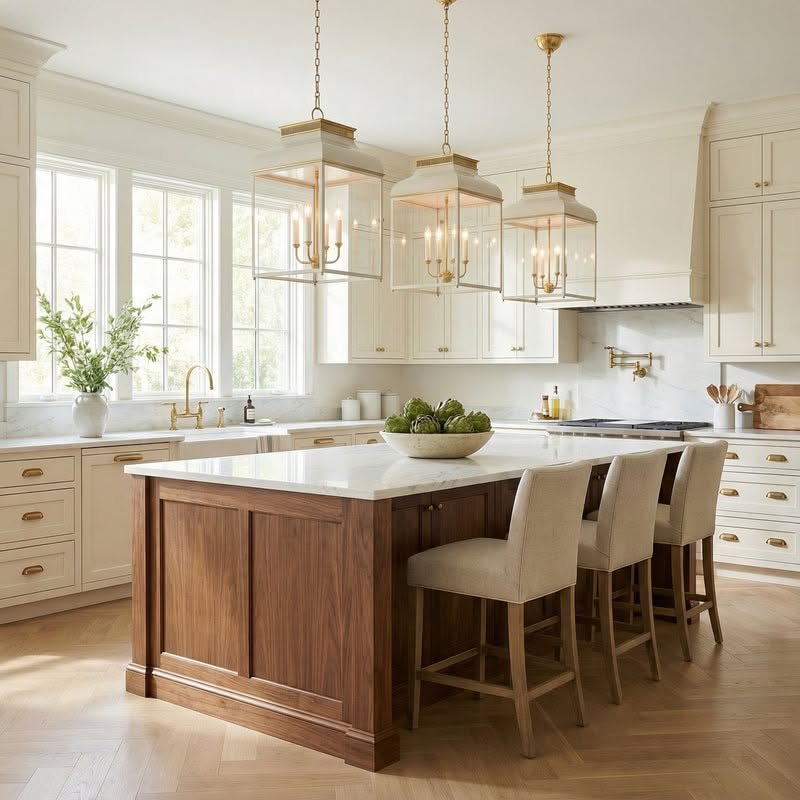
Kitchens: Replacing cabinets, countertops, or a sink in place is exempt. Moving the sink, adding an island with plumbing or power, relocating gas or electrical, or opening a wall turns the same kitchen remodel into a permitted project — typically a building permit plus separate electrical, plumbing, and gas trade permits.
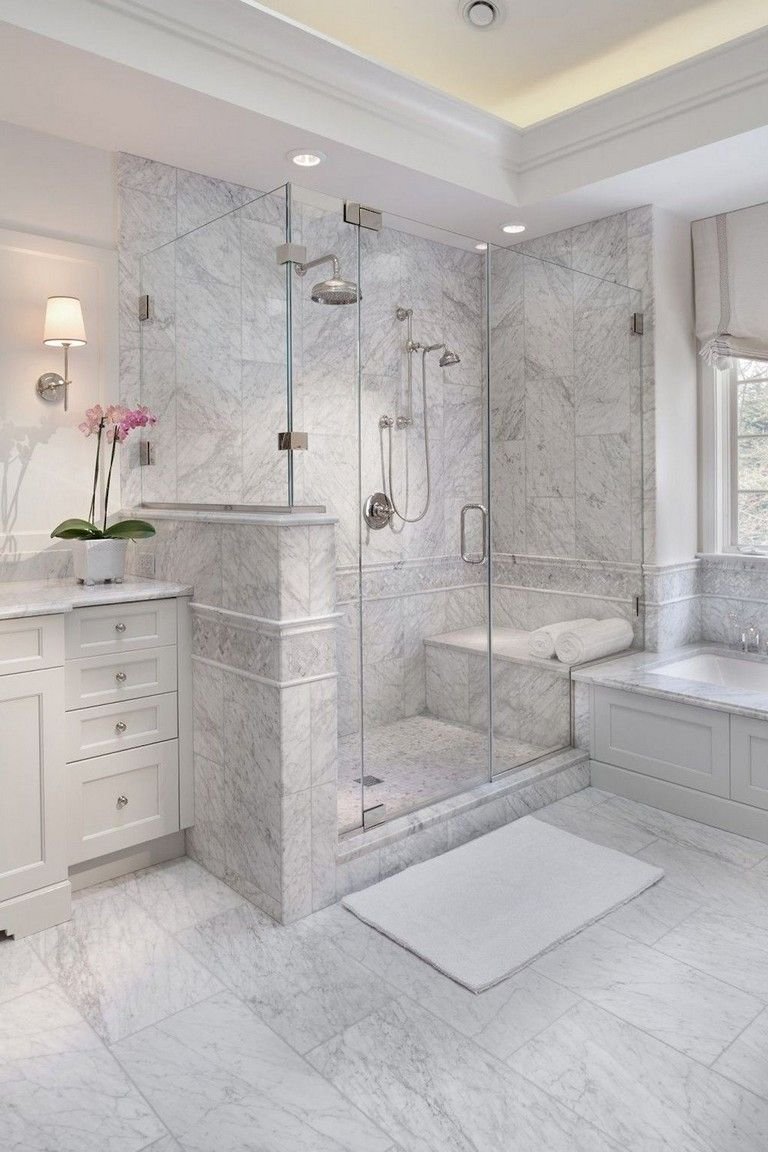
Bathrooms: A bathroom remodel needs a permit when you move the toilet, shower, or vanity, enlarge the room, or change plumbing or electrical. Swapping fixtures in the same location and replacing cabinets or countertops without relocating anything is generally exempt for existing single-family and two-family homes.
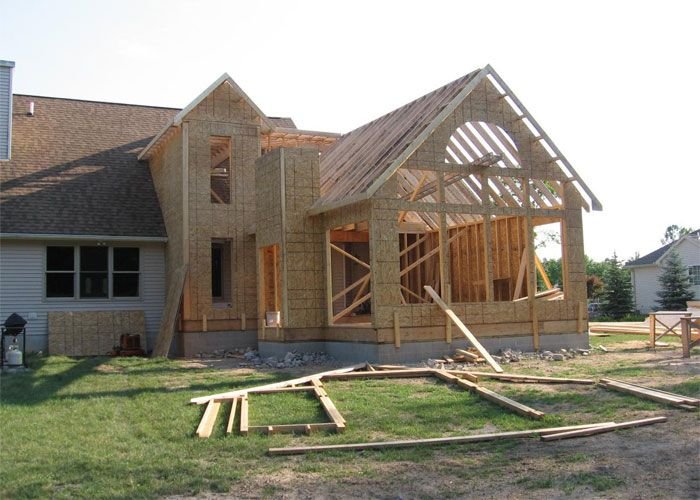
Full home renovation: A whole-house project almost always needs permits, because it normally combines structural, electrical, plumbing, and mechanical work. That is also why permitting belongs in the full home renovation cost and timeline from day one — not as an afterthought once demolition is scheduled.
How the Atlanta permit process works, step by step
- 1. Confirm your jurisdiction and overlays. Check the address first: inside the City of Atlanta, a city like Marietta, Sandy Springs, Decatur, or Tucker, or unincorporated Fulton, DeKalb, Cobb, Gwinnett, or Cherokee County. Each runs its own office, forms, fees, and portal. Also check zoning, flood, tree, and historic or overlay status before you design.
- 2. Prepare the permit set. For permitted work the city expects scaled, dimensioned, double-line drawings — not single-line sketches — with a cover sheet listing the address, owner, scope of work, and applicable codes, plus existing and proposed floor plans. A site plan showing setbacks, easements, and floor area ratio is needed when the footprint changes, and reviewers can ask for a recent survey or engineering details.
- 3. Submit and pay. Your licensed contractor normally submits through the portal and pays the assessed fees. One published City of Atlanta fee formula is $5.00 per $1,000 of valuation, with a $50 minimum, whichever is higher — trade permits and plan review are additional, and each jurisdiction sets its own schedule.
- 4. Plan review. Reviewers check structure, egress, fire safety, and code compliance and may issue comments that require revised drawings. Answering comments is a normal part of the process, not a rejection.
- 5. Build with inspections. Work is inspected at key stages — typically rough-in (framing, electrical, plumbing, mechanical before walls close) and final. A typical kitchen project sees about 2–5 inspection visits. Walls must stay open until rough-in passes.
- 6. Final approval and records. When the final inspection passes, the permit is closed. Keep the approved plans and final sign-off with your home records — buyers, lenders, and insurers ask for them.
A 2026 change to know: For new permit applications beginning February 1, 2026, the City of Atlanta requires compliance with the newly adopted Georgia construction codes, including the 2024 International Residential Code with Georgia Amendments. The Office of Buildings also announced on January 12, 2026 that it had temporarily suspended its own review of structural drawings — structural documents must still be submitted, and they remain the responsibility of the Engineer of Record. Confirm current submission requirements before you file, because procedures change.
How long does a permit take, and what does it cost?
Timelines depend on completeness more than on the project itself — a complete submission moves, an incomplete one restarts the clock. Published local guides put City of Atlanta residential plan review commonly at 10–20 business days, with complex remodels running 2–6 weeks, and whole-house permitting at 4–12 weeks once structural, trade, arborist, zoning, or historic reviews are added. Across the metro, simple trade permits can be issued in 1–2 days, while building permits for remodels commonly take 2–6 weeks.
| Jurisdiction | Portal / office | Typical review cited in local guides |
|---|---|---|
| City of Atlanta | Office of Buildings — ATLPlan / Accela | 10–20 business days for residential review; 2–6 weeks for complex remodels |
| Fulton County (unincorporated) | ePlan electronic submissions | About 7–14 business days |
| DeKalb County | Planning & Sustainability online portal | About 10 days on average; sealed plans for structural work |
| Cobb County | PermitsPlus | About 5–10 business days for plan review |
| City of Tucker | Community Development / Tucker portal | About 5–15 business days for residential remodels |
On cost, treat any single number with care because fees are set by valuation and scope in each jurisdiction. Third-party 2026 planning guides put a typical Atlanta kitchen permit around $620 and a bathroom permit around $410, with simple kitchen trade work in the $100–$900 range, and building permits for larger projects commonly from $200 to $2,000 or more. As a budgeting rule, permits and related review and inspection fees are often planned at roughly 1–3% of the total renovation budget. Your contractor should confirm the exact assessed fee before submittal — never pay a "permit fee" that no office has assessed.
Historic districts: the extra Certificate of Appropriateness step
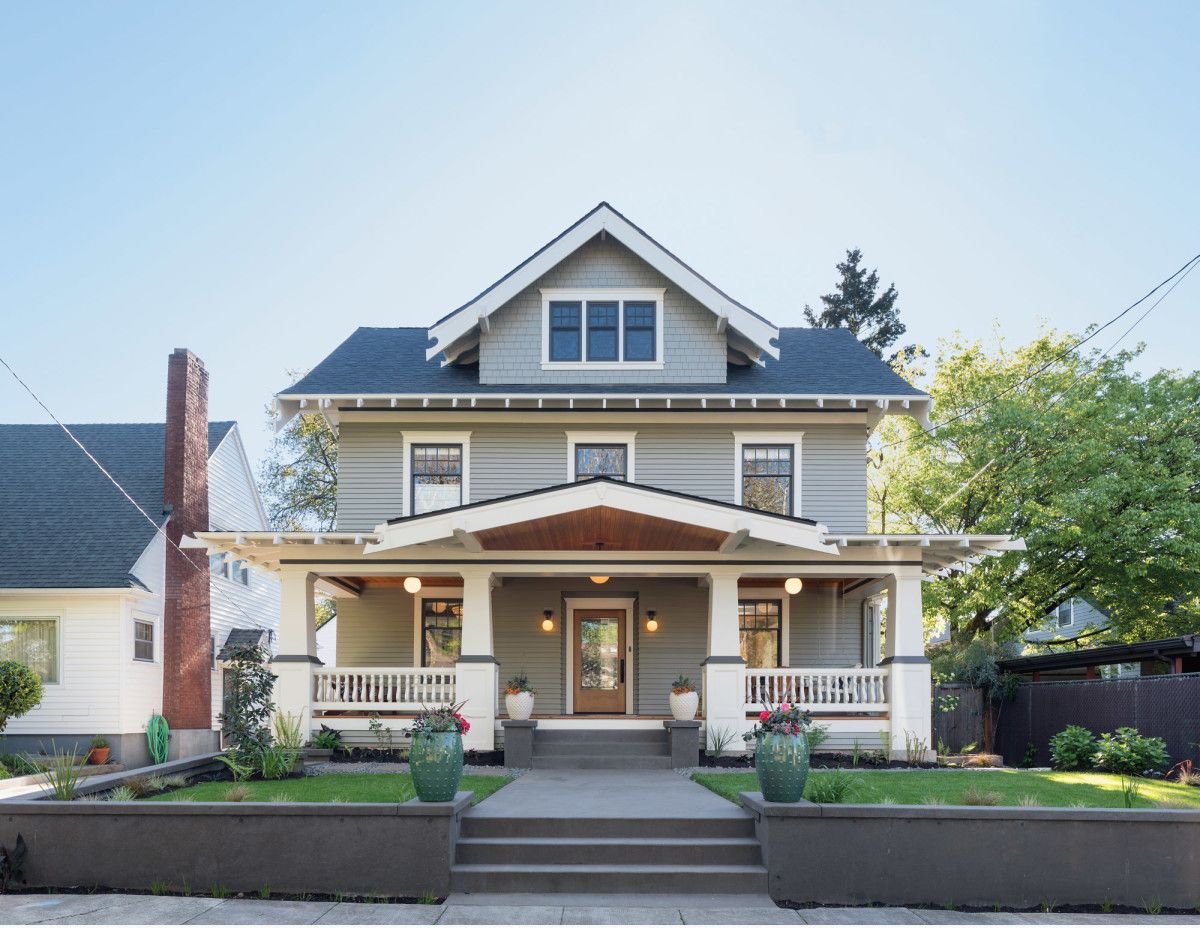
If your home is in a designated historic or landmark district — areas such as Inman Park, Grant Park, Druid Hills, Ansley Park, and historic sections of Virginia-Highland and Buckhead — the normal exemptions do not apply in the same way. Exterior work that needs a building permit, and changes to the exterior or site, first need approval from the Office of Design / Atlanta Urban Design Commission in the form of a Certificate of Appropriateness (CoA).
- Type I covers ordinary repairs and maintenance.
- Type II covers minor exterior alterations; where district rules allow staff review, a compliant Type II application is to be issued or denied within 14 days of a complete application.
- Type III covers new construction, side or second-story additions, and larger alterations, and goes to the Commission.
- Type IV covers demolition or moving of a historic or contributing building.
Painting alone generally does not require a CoA, but painting previously unpainted masonry can be restricted. Build this review into your step-by-step home renovation checklist — it sits before the building permit, not after it.
Trees are the other Atlanta surprise: exterior work and additions can trigger the city tree ordinance and an arborist review before a permit application is even accepted, so check protected trees on the lot during design.
Who pulls the permit — and who is licensed to do the work?
In Georgia, the licensed contractor typically pulls the permit and is responsible for the work and the inspections. Under Georgia law (O.C.G.A. Title 43, Chapter 41), a state license from the State Licensing Board for Residential and General Contractors is required where the total value of the work — or the compensation, whichever is higher — exceeds $2,500. Electrical, plumbing, and HVAC work each require their own state trade license regardless of size.
Some jurisdictions allow a homeowner to pull a permit for their own owner-occupied residence, but then the homeowner personally accepts responsibility for code compliance and must pass the same inspections. Be wary of any contractor who asks you to pull the permit for their work, or who offers to skip the permit to save money: unpermitted work can lead to stop-work orders, fines, work having to be opened up or redone, and real problems when you sell — unpermitted rooms and systems are a recurring due-diligence issue in Metro Atlanta home sales.
Cobb County's renovation checklist shows what a complete package looks like in practice: a signed residential permit application, a detailed scope-of-work letter, the customer contract or estimate for valuation, a copy of the contractor's state license and business license, and, for septic properties, an Environmental Health approval. Incomplete packages are not accepted.
Frequently asked questions
Do I need a permit to remodel my bathroom if I keep the same layout?
Usually not, if everything stays in the same location — replacing fixtures, cabinets, and countertops in place is generally exempt for existing single-family and two-family homes in Atlanta. Moving a toilet, shower, or vanity, or changing plumbing or electrical, requires a permit.
Do I need a permit to replace kitchen cabinets?
No — repair or replacement of kitchen cabinets is expressly exempt in the City of Atlanta, regardless of cost, for existing single-family and two-family homes. A full kitchen layout change with moved plumbing, gas, or electrical is a different project and is permitted.
How much does a renovation permit cost in Atlanta?
It depends on valuation, scope, and jurisdiction. The City of Atlanta formula cited by local guides is $5 per $1,000 of valuation with a $50 minimum, plus trade and review fees. Third-party 2026 guides estimate about $620 for a kitchen and about $410 for a bathroom, and many homeowners budget roughly 1–3% of the project cost for permits and related fees. Confirm the assessed fee for your address before filing.
How long does it take to get a permit in Atlanta?
Plan on 10–20 business days for a straightforward residential review in the City of Atlanta, 2–6 weeks for complex remodels, and longer when historic, zoning, structural, or tree review is involved. Neighboring counties cite roughly 5–14 business days for typical residential review. A complete first submission is the fastest way to shorten any of these.
What happens if I renovate without a permit?
You risk a stop-work order, fines, having finished work opened up for inspection or removed, and problems with insurance and with a future sale, when unpermitted work surfaces in due diligence. Permitting first is almost always cheaper than correcting it later.
Can I pull my own permit as a homeowner?
In some Metro Atlanta jurisdictions, yes, for your own owner-occupied home — but you become personally responsible for meeting code and passing the same inspections a contractor would. For structural or trade work, most homeowners are better served by a licensed contractor pulling the permit in their name.
Does a historic district change what I need?
Yes. Exterior work in a designated historic or landmark district generally needs a Certificate of Appropriateness from the Atlanta Urban Design Commission / Office of Design before the building permit, and the usual repair exemptions are narrowed for those properties.
Planning a renovation in Metro Atlanta?
YK Development Group designs and builds kitchens, bathrooms, and full-home renovations across Metro Atlanta from our base at ADAC in Peachtree Hills — one team from the first visit and measurements through the design presentation, the permit-ready plan, the build, and the final walkthrough. We build your vision.
Get a Free ConsultationSources: City of Atlanta Ordinance 17-O-1307 (permit exemptions; $10,000 repair threshold), City of Atlanta Code of Ordinances, Appendix A §§ 103.4 and Chapter 20 (Certificates of Appropriateness), via atlantaga.gov and Municode; City of Atlanta Department of City Planning — Office of Buildings, Office of Zoning & Development, Office of Design, and ATLPlan / Accela (accessed November 2026); Cobb County Community Development Agency, Residential Renovation Permit Checklist (Rev. 07/2023); Georgia O.C.G.A. Title 43, Chapter 41 and State Licensing Board for Residential and General Contractors ($2,500 licensing threshold); Delano Designs, "Permit Drawings in Atlanta" (March 2026); Kitchen Design Solutions, "Remodeling Permits in Buckhead: A City of Atlanta Guide" (November 2026); Principle Builders Group, structural permit guide noting the January 12, 2026 structural review change and February 1, 2026 adoption of the 2024 IRC with Georgia Amendments (2026); KD Pro Handyman, Tucker / DeKalb / Atlanta permit guide (2026); Cofer Brothers, Metro Atlanta county permit guide (2026); PermitATL FAQs (review times and $200–$2,000+ building permit range); MyKukun, Building Permit Costs 2026 Guide (Atlanta kitchen $620 / bathroom $410 planning estimates); Roswell Kitchen Remodeling, Georgia kitchen permit guide ($100–$900 range, 1–4 weeks, 2–5 inspections); Bradford Builds, Whole House Renovation Atlanta (10–20 business day review; 4–12 week permitting); Intown Renovations Group, Atlanta permit guide ($5 per $1,000 valuation, $50 minimum formula). Figures are planning benchmarks from the sources cited; fees, review times, and requirements are set by the jurisdiction for your address and scope — confirm them before filing. This guide is general information, not legal advice.
Tags: atlanta renovation permits, kitchen remodel permit atlanta, bathroom remodel permit atlanta, full home renovation, full home renovation cost, cost per square foot, step-by-step home renovation checklist, whole house renovation cost calculator, atlanta building permit, certificate of appropriateness atlanta